Too many tools that don't talk to each other.
Software is everywhere, but the tools don't share data, and there's no single source of truth.
Before you ask for one more development quote, get clear on which problem is worth solving, what software is worth building, and what you should buy, integrate, or leave alone for now.
We help companies turn operational friction, legacy systems, AI ambitions, and data into a clear technology roadmap, and when it makes sense, we build it with you.
2 weeks
from kickoff to roadmap
build, buy, or integrate
decided before you spend on development
partners
involved in every engagement
When to bring us in
Most teams arrive with a mix of urgency and mess. If any of this sounds familiar, strategy comes before a build.
Software is everywhere, but the tools don't share data, and there's no single source of truth.
Your internal team can't keep up with the tickets landing on them.
You pay for the tools and still move data around by hand.
With SAP, Oracle, or an in-house ERP, you need to understand the consequences before making a change.
You want to use it, but don't know where it actually creates value.
Leadership, technology, and operations all demand attention at once, with no shared criteria for deciding what comes first.
Building one-off fixes without a shared direction creates technical debt, slows down operations, and consumes budget you can't recover.
The outcome
You get a plan that your team, another vendor, or our team can pick up and execute.
Systems, processes, users, dependencies, and friction: drawn as they actually are, not a simplified sales version.
Technical debt, fragile integrations, duplicate tools, and manual steps worth removing before they compound.
What to tackle first, what can wait, and what isn't worth building at all.
Which capabilities should be custom-built and which an existing tool can cover faster and at lower cost.
Which initiatives are quick wins, which require structural change, and what must happen before each one.
Recommended stack, architecture, integrations, and the trade-offs behind each choice.
Risks, controls, and requirements that should shape the roadmap when the project context calls for them.
How it works
Two weeks. When the Discovery is part of a design or build engagement, it may take less time because some of the learning happens during the project.
Step one
A facilitated session to understand the business context, the systems in play, and the decisions you need to make. We agree on what to review, who to interview, and which processes to map.
What we need
If it were already solved, you probably wouldn't need the Discovery. Usually we ask for some combination of the following; the exact list depends on the project.
Why Acueducto
We're a product studio, so every recommendation reflects the work required to take an idea into production, maintain it, and integrate it with existing systems.
Good fit
Mid-market and enterprise organizations that run several systems across multiple teams and business processes.
Legacy systems, ERPs, CRMs, internal tools, and several layers of software stacked over time.
Post-Series B companies that need to get their product, internal systems, or architecture back in order.
CEOs, CTOs, CIOs, and leaders in innovation, operations, product, or marketing, usually with a technical partner involved.
Industries we tend to work with
The real signal
A Discovery fits organizations with multiple systems, critical processes, internal teams, and technology decisions that affect the operation.
Proof
Acueducto has turned manual processes into internal apps, catalogs into digital experiences, and separate products into cohesive suites. Full case studies are in progress.

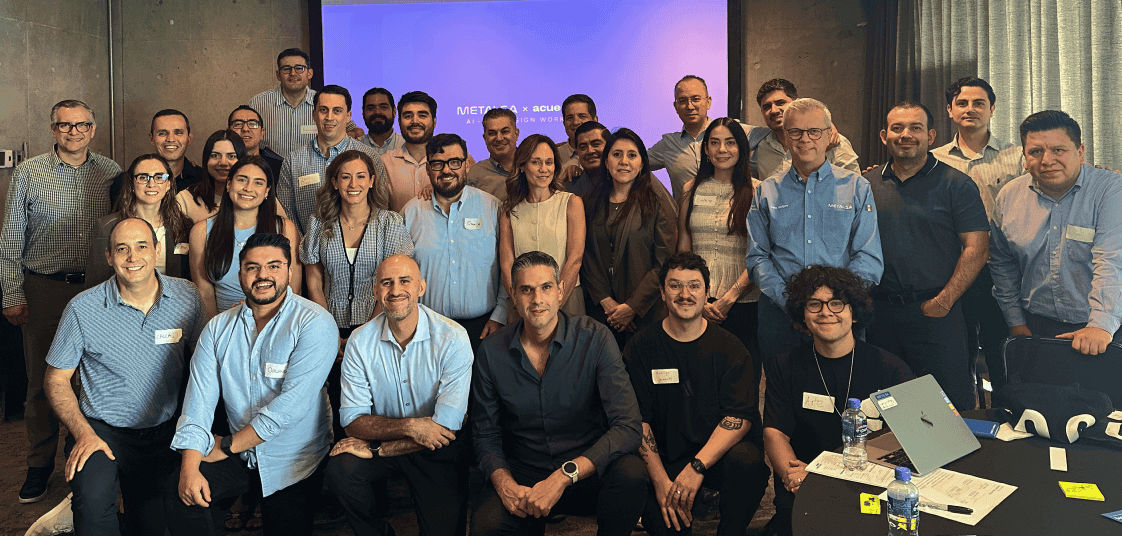
We led a workshop with Metalsa's C-suite to turn its AI goals into a product strategy. Together, we designed AI-native processes, defined and prioritized initiatives based on their potential P&L impact, and supported the team as its first lighthouse project entered implementation.

We helped Borgatta overcome the limitations of its ERP without replacing it. We defined a product strategy for a connected ecosystem that would extend the ERP's capabilities and allow Borgatta to streamline operations, increase transparency, launch new sales channels, and serve customers better.
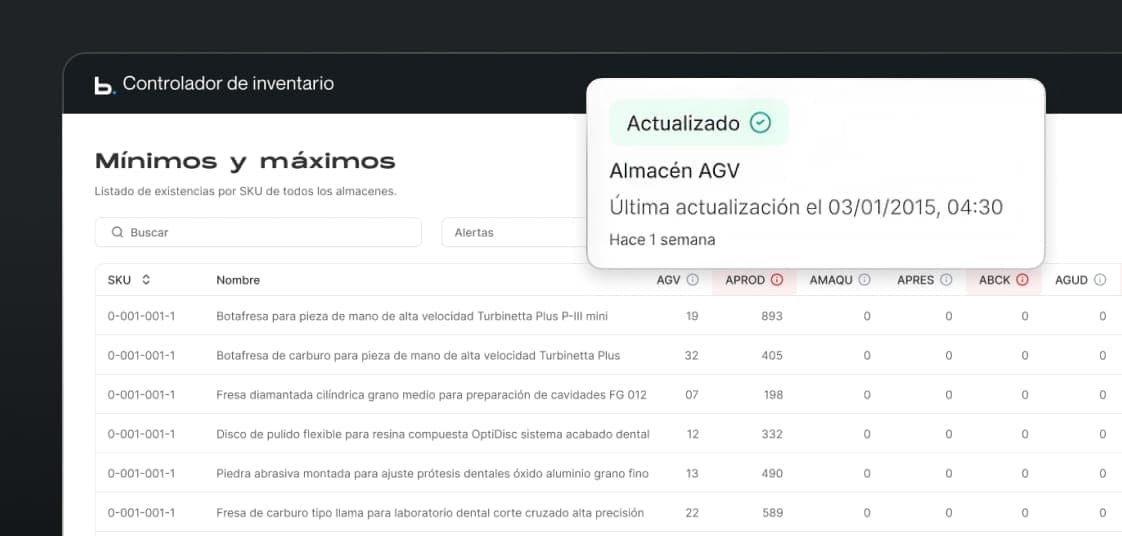

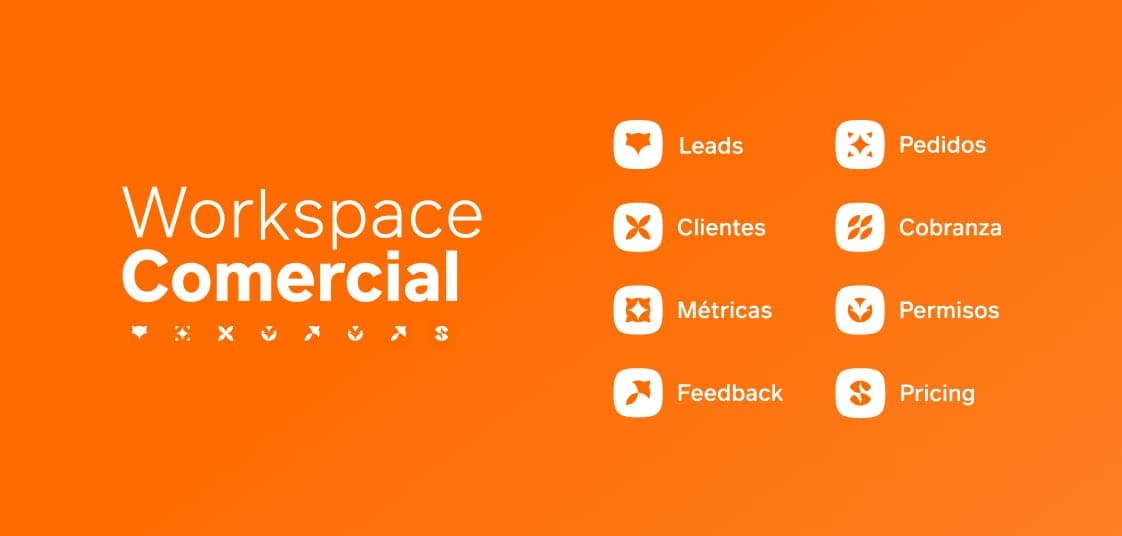
We mapped the capabilities, legacy applications, modern platforms, and integrations behind DeAcero's commercial operations. From that map, we defined a product suite with clear domains to guide decisions about what to consolidate, what to integrate, and how the suite should evolve.
Working through something similar? Let's map it together.
Book a discovery callFAQ
Quick answers to the questions teams ask before a discovery call. We can cover anything else on the call.
We only use cookies to give you the best experience but you can review our cookie policy and opt-out if you wish. If you continue to use this site, we’ll asume you’re okay with it.